The Growing Importance of Jets in the Japan-China Standoff
Category : jetiify | Sub Category : Posted on 2024-09-07 22:25:23
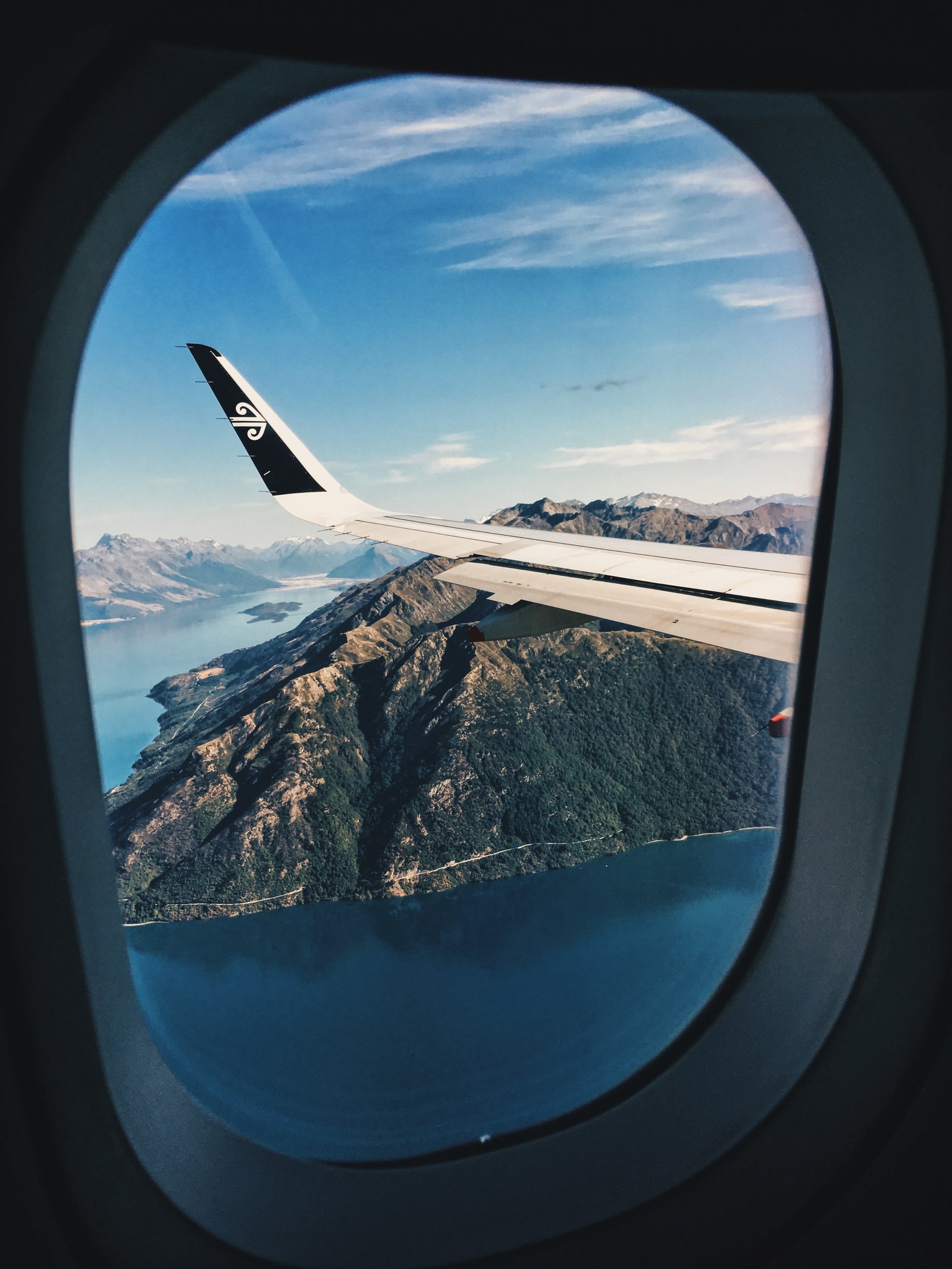
In recent times, the tension between Japan and China has been escalating, fueled by territorial disputes and historical animosities. Both countries have been expanding and modernizing their military capabilities, including investing heavily in fighter jets. These fighter jets play a crucial role in shaping the power dynamic in the region and are integral to both countries' defense strategies. Japan, as a key US ally in the Indo-Pacific region, has a formidable air force equipped with state-of-the-art fighter jets such as the F-35 and F-15. These jets serve as a deterrent against potential threats and are essential for protecting Japanese airspace and asserting control over disputed territories like the Senkaku Islands. The Japanese government has been investing in upgrading its air force and increasing its presence in the East China Sea to counter China's assertive actions. On the other hand, China has been rapidly expanding its military capabilities, including its air force, which is one of the largest in the world. The People's Liberation Army Air Force (PLAAF) boasts advanced fighter jets such as the J-20 and J-16, which have been deployed in the region to project Chinese power and assert sovereignty over disputed areas like the South China Sea. China's growing air power poses a significant challenge to Japan and other neighboring countries, raising concerns about regional stability and security. The use of fighter jets has become a key element in the ongoing standoff between Japan and China. Both countries regularly conduct air patrols and scrambles in disputed areas, increasing the risk of accidental escalation and military conflict. The presence of advanced fighter jets on both sides raises the stakes and underscores the importance of maintaining a delicate balance of power in the region. Moreover, the US plays a crucial role in the Japan-China standoff, as it has security alliances with Japan and a strategic rivalry with China. The US military presence in the region, including its own fleet of fighter jets, serves as a stabilizing force and a deterrent against potential aggression from either side. The US also conducts joint military exercises with Japan, demonstrating a unified front against any threats to regional security. In conclusion, the role of fighter jets in the Japan-China standoff cannot be understated. These advanced aircraft symbolize military power, territorial claims, and strategic interests, shaping the complex dynamics of the Indo-Pacific region. As tensions continue to simmer between Japan and China, the careful management of air power and diplomatic efforts are essential to avoid any unintended escalation and maintain peace and stability in the region.
Leave a Comment:
SEARCH
Recent News
- Switzerland is widely known for its breathtaking landscapes, high standard of living, and efficient public transportation system. Zurich, the largest city in Switzerland, perfectly embodies these characteristics and offers visitors a unique blend of culture, history, and natural beauty. In this Tunisian travel guide to Zurich, we will explore some of the must-visit attractions, delicious cuisine to try, and practical tips for making the most of your trip.
- Are you looking for information on travel discounts for seniors in Zurich, Switzerland? One of the perks of growing older is often the access to special deals and discounts, making travel more affordable for those in their golden years. Zurich, the vibrant and picturesque city located in Switzerland, is no exception when it comes to offering discounted rates for senior travelers.
- Zurich, Switzerland and Oslo, Norway are two European cities known for their stunning beauty, vibrant cultures, and high quality of life. Both cities offer a mix of modern amenities and historic charm, making them popular destinations for travelers looking to immerse themselves in European culture.
- Exploring Zurich: A Taste of Latin America in Switzerland
- Zurich, Switzerland and Johannesburg, South Africa are two dynamic cities that offer a unique blend of culture, history, and modernity. Despite being located in different corners of the globe, both cities have their own charm and attractions that make them worth visiting.
- Zurich, Switzerland and Guatemala may seem like two very different places, but both offer unique and exciting travel experiences for those looking to explore diverse cultures and stunning landscapes.
- As one of the most popular travel destinations in Switzerland, Zurich offers a perfect blend of vibrant city life, picturesque landscapes, and rich cultural heritage. With its charming Old Town, stunning lake views, and a myriad of attractions, Zurich is a must-visit destination for any traveler looking to experience the best of what Switzerland has to offer.
- When it comes to European travel destinations, Zurich, Switzerland and Amsterdam, Netherlands are two cities that always seem to capture the imagination of travelers. Both cities offer unique experiences that cater to a wide range of interests, from stunning natural beauty to vibrant cultural scenes. Let's take a closer look at what makes each of these cities so special for travelers.
READ MORE
11 months ago Category : jetiify

Switzerland is widely known for its breathtaking landscapes, high standard of living, and efficient public transportation system. Zurich, the largest city in Switzerland, perfectly embodies these characteristics and offers visitors a unique blend of culture, history, and natural beauty. In this Tunisian travel guide to Zurich, we will explore some of the must-visit attractions, delicious cuisine to try, and practical tips for making the most of your trip.
Read More →11 months ago Category : jetiify

Are you looking for information on travel discounts for seniors in Zurich, Switzerland? One of the perks of growing older is often the access to special deals and discounts, making travel more affordable for those in their golden years. Zurich, the vibrant and picturesque city located in Switzerland, is no exception when it comes to offering discounted rates for senior travelers.
Read More →11 months ago Category : jetiify

Zurich, Switzerland and Oslo, Norway are two European cities known for their stunning beauty, vibrant cultures, and high quality of life. Both cities offer a mix of modern amenities and historic charm, making them popular destinations for travelers looking to immerse themselves in European culture.
Read More →11 months ago Category : jetiify
