A Timeline of Japan's Election and the Role of Jets in Politics
Category : jetiify | Sub Category : Posted on 2024-09-07 22:25:23
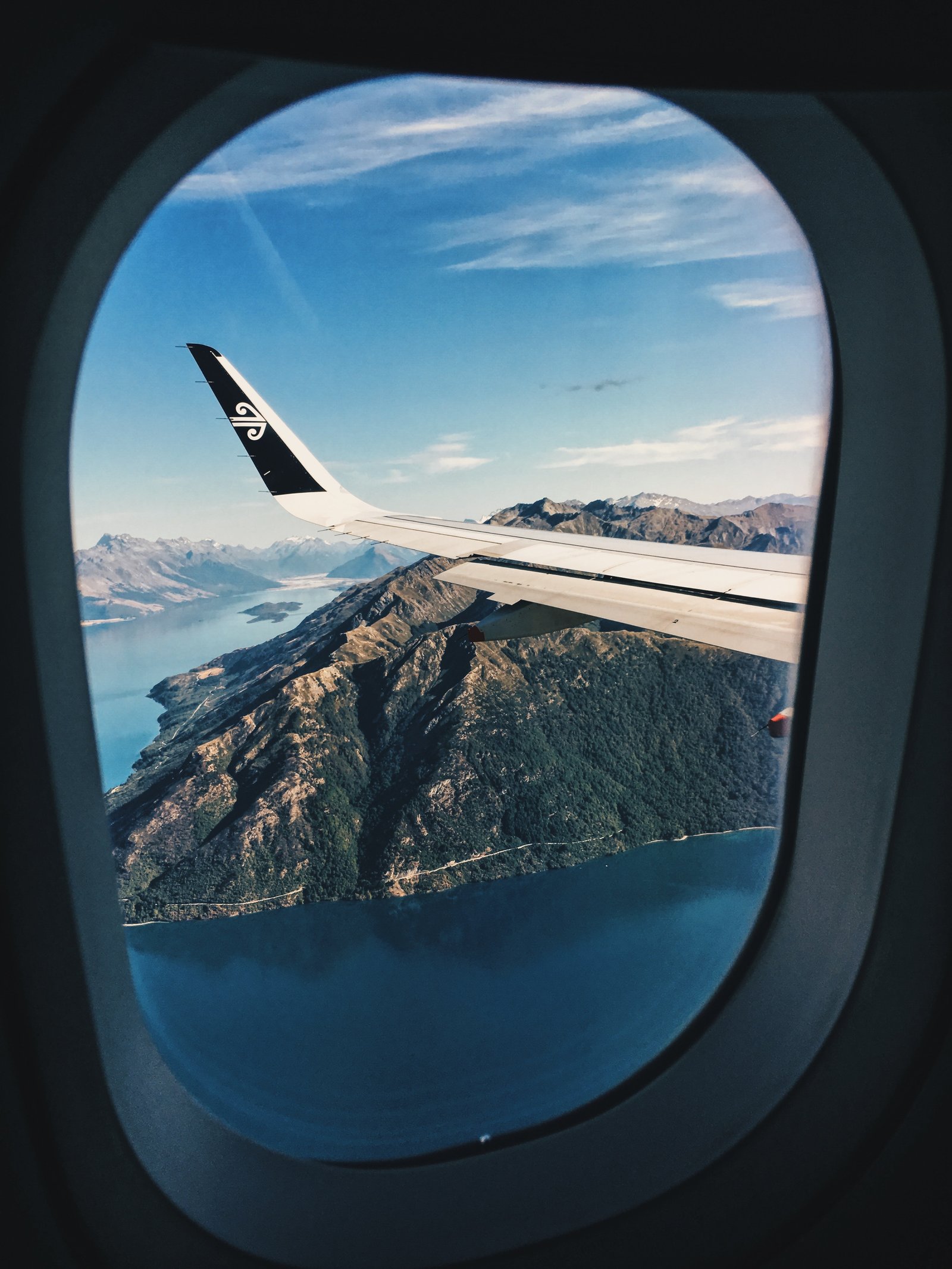
In Japan, elections play a crucial role in shaping the country's political landscape. From campaign rallies to debates, the political process is a dynamic and evolving one. In recent years, the use of jets by political candidates has become a topic of interest and discussion. Let's take a closer look at the timeline of Japan's elections and the role of jets in politics. 1. Early Campaigning: Months before the official election date, political parties begin their campaign efforts. Candidates travel across the country, holding rallies and speeches to connect with voters and gain support for their platforms. Jets are often used to quickly transport candidates between cities, allowing them to cover more ground in a shorter amount of time. 2. Election Day: On the designated election day, Japanese citizens head to the polls to cast their votes. Political parties closely monitor the results as they come in, eager to see the outcome of their campaigning efforts. Jets may be on standby to quickly transport candidates to key locations for press conferences and victory speeches. 3. Post-Election Analysis: After the votes have been counted and the winners declared, political analysts and commentators dissect the results to understand the implications for the country's future. Jets can play a role in escorting newly elected officials to official ceremonies and meetings as they prepare to take on their new roles. 4. International Relations: In addition to domestic politics, jets also play a role in Japan's international relations. High-ranking government officials often travel abroad for diplomatic meetings and summits, using jets for efficient and secure transportation. These interactions can have a significant impact on Japan's foreign policy and global reputation. 5. Public Perception: The use of jets in political campaigns can influence public perception of candidates. While some may view it as a symbol of efficiency and modernity, others may see it as a display of excess and privilege. Candidates must navigate this balancing act to connect with voters and convey their messages effectively. In conclusion, jets have become a visible symbol of Japan's political process, aiding candidates in reaching a wider audience and conducting their campaigns efficiently. However, their use also raises questions about access, transparency, and the role of money in politics. As Japan continues to navigate its electoral landscape, the role of jets is likely to remain a topic of interest and debate among voters and policymakers alike.
Leave a Comment:
SEARCH
Recent News
- Switzerland is widely known for its breathtaking landscapes, high standard of living, and efficient public transportation system. Zurich, the largest city in Switzerland, perfectly embodies these characteristics and offers visitors a unique blend of culture, history, and natural beauty. In this Tunisian travel guide to Zurich, we will explore some of the must-visit attractions, delicious cuisine to try, and practical tips for making the most of your trip.
- Are you looking for information on travel discounts for seniors in Zurich, Switzerland? One of the perks of growing older is often the access to special deals and discounts, making travel more affordable for those in their golden years. Zurich, the vibrant and picturesque city located in Switzerland, is no exception when it comes to offering discounted rates for senior travelers.
- Zurich, Switzerland and Oslo, Norway are two European cities known for their stunning beauty, vibrant cultures, and high quality of life. Both cities offer a mix of modern amenities and historic charm, making them popular destinations for travelers looking to immerse themselves in European culture.
- Exploring Zurich: A Taste of Latin America in Switzerland
- Zurich, Switzerland and Johannesburg, South Africa are two dynamic cities that offer a unique blend of culture, history, and modernity. Despite being located in different corners of the globe, both cities have their own charm and attractions that make them worth visiting.
- Zurich, Switzerland and Guatemala may seem like two very different places, but both offer unique and exciting travel experiences for those looking to explore diverse cultures and stunning landscapes.
- As one of the most popular travel destinations in Switzerland, Zurich offers a perfect blend of vibrant city life, picturesque landscapes, and rich cultural heritage. With its charming Old Town, stunning lake views, and a myriad of attractions, Zurich is a must-visit destination for any traveler looking to experience the best of what Switzerland has to offer.
- When it comes to European travel destinations, Zurich, Switzerland and Amsterdam, Netherlands are two cities that always seem to capture the imagination of travelers. Both cities offer unique experiences that cater to a wide range of interests, from stunning natural beauty to vibrant cultural scenes. Let's take a closer look at what makes each of these cities so special for travelers.
READ MORE
11 months ago Category : jetiify

Switzerland is widely known for its breathtaking landscapes, high standard of living, and efficient public transportation system. Zurich, the largest city in Switzerland, perfectly embodies these characteristics and offers visitors a unique blend of culture, history, and natural beauty. In this Tunisian travel guide to Zurich, we will explore some of the must-visit attractions, delicious cuisine to try, and practical tips for making the most of your trip.
Read More →11 months ago Category : jetiify

Are you looking for information on travel discounts for seniors in Zurich, Switzerland? One of the perks of growing older is often the access to special deals and discounts, making travel more affordable for those in their golden years. Zurich, the vibrant and picturesque city located in Switzerland, is no exception when it comes to offering discounted rates for senior travelers.
Read More →11 months ago Category : jetiify

Zurich, Switzerland and Oslo, Norway are two European cities known for their stunning beauty, vibrant cultures, and high quality of life. Both cities offer a mix of modern amenities and historic charm, making them popular destinations for travelers looking to immerse themselves in European culture.
Read More →11 months ago Category : jetiify
